The Bengali wedding, ritual by ritual: a checklist from Aiburobhaat to Bou Bhaat
Ask three Bengali aunts the correct order of wedding rituals and you will get four answers. That is part of the charm. Every family carries its own version, shaped by which side of the Padma their grandparents came from, which purohit they trust, and what was done at the last cousin's wedding.
What follows is the common thread most Kolkata families follow. Use it as a working checklist: tick off what your family does, cross out what it doesn't, and hand the rest to the person who will actually run the day. Against each ritual we have noted what it practically needs, because that is the part that usually gets forgotten until the morning of.
Before the wedding
Aiburobhaat
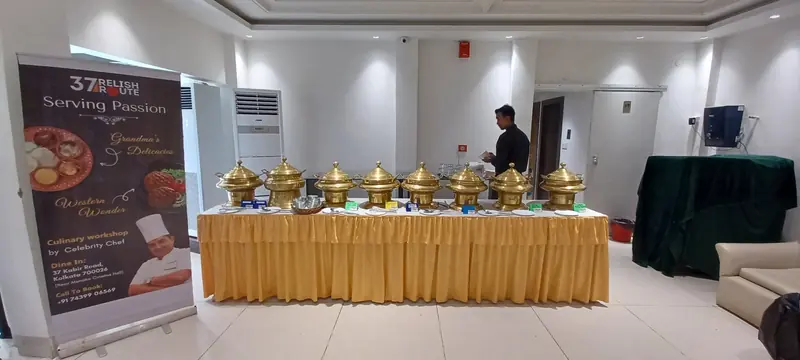
The last meal as an unmarried person. Relatives cook, or more often these days book a hall and a caterer, and the bride or groom is fed an elaborate spread on a kansa thala, with every dish arranged around the rice. Families often hold it at both homes, a day or two before the wedding.
Needs: a seated lunch or dinner setup, a decorated seat for the bride or groom, and a photographer who understands that the thala shot matters more than the group photo.
Dodhi Mongol
Before sunrise on the wedding day, the bride and groom, in their own homes, eat a meal of chire (flattened rice) and doi. It is the only food they are traditionally meant to have until the ceremony is over. It is quiet, sleepy and usually held at home.
Gaye Holud
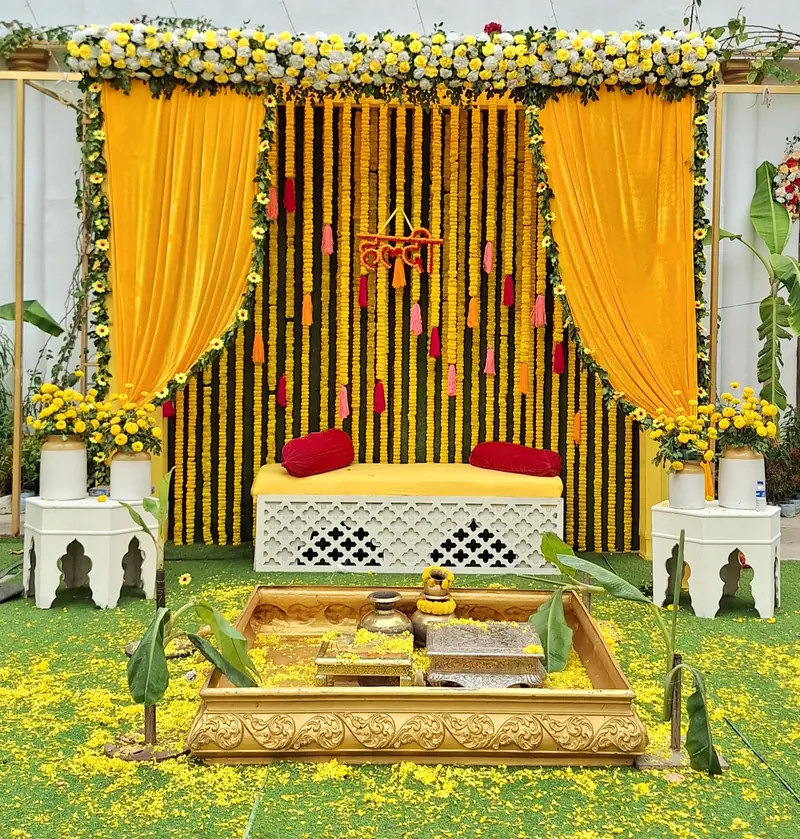
Turmeric paste is applied first to the groom at his home. The same turmeric then travels with the tattwa, the gift trays, to the bride's home, where she is bathed in it. It is the loudest, messiest and most photographed morning of the whole wedding.
Needs: open space that can survive turmeric, good daylight, a low decorated seat, and a plan for the tattwa trays to be displayed. A lawn works far better than a living room. We have written a whole piece on Gaye Holud decoration ideas.
The wedding day
Bor Jatri and Bor Boron
The groom's party sets out, and on arrival the bride's mother welcomes the groom with a boron dala: a tray with a lamp, paddy, durba grass and sweets. Expect conch shells and ulu-dhwani, and expect it to take longer than the schedule says.
Needs: an entrance that photographs well, space at the gate for the family to gather, and parking for the groom's cars. This is where venues near busy roads quietly make or break the evening.
Subho Drishti
The bride, seated on a wooden piri, is carried in by her brothers or cousins, her face hidden behind two betel leaves. She circles the groom seven times, then lowers the leaves and the two look at each other properly for the first time as bride and groom. Everyone remembers this moment, so give it room.
Needs: a clear, well-lit path around the groom, steady carriers, and a photographer positioned before the leaves come down.
Mala Bodol
The exchange of garlands, often three times, sometimes with the bride lifted higher each round by her side and the groom by his. It has turned into a friendly contest in most families.
Sampradan, Saat Paak and Yagna
In Sampradan, an elder of the bride's family formally gives her hand to the groom, and the couple's hands are tied with a sacred thread. They then take seven steps or rounds around the fire while the purohit chants.
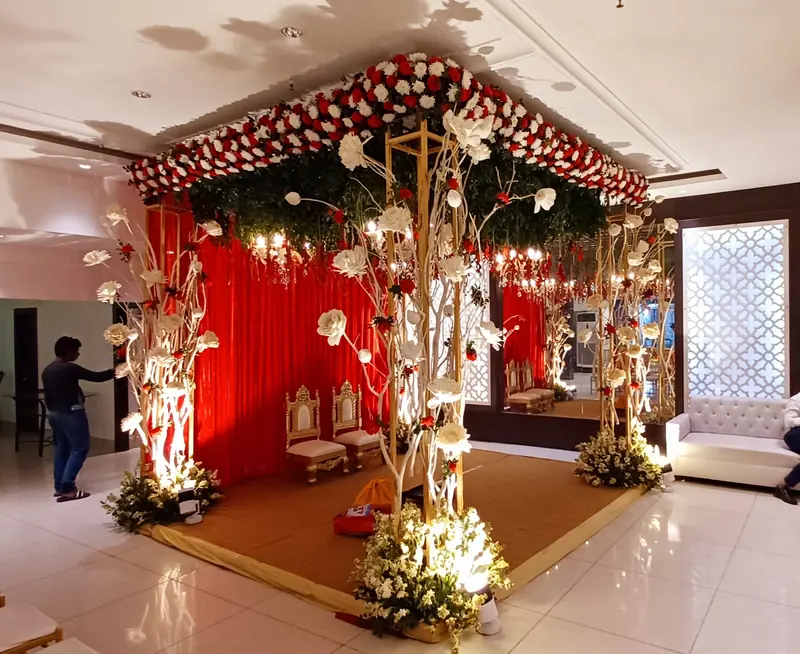
Needs: a properly built mandap with ventilation for the fire, seating for close family around it, and a sound system that lets the back rows hear the purohit without drowning him out.
Sindoor Daan
The groom applies sindoor to the bride's parting, and she covers her head with a new sari given by the groom's family, the lojja bostro. For many families, this is the moment the marriage becomes real.
Basor Ghor
After the rituals, the couple stays up through the night with the bride's cousins and friends. Songs, games, teasing, very little sleep. If the wedding is at a venue, plan for a room where the night can continue after the hall clears.
The days after
Bashi Biye and Kanakanjali
The next morning brings a short set of rituals called Bashi Biye. Then comes the hardest one: as she leaves, the bride throws three handfuls of rice over her shoulder into her mother's anchol, repaying her parents, symbolically, for everything. Keep tissues on hand.
Bou Boron and Kalratri
At the groom's home, his mother welcomes the bride. She steps into a plate of alta and milk and walks in, leaving red footprints. That night is Kalratri, when the couple traditionally do not see each other.
Bou Bhaat and the reception
The bride serves rice, cooked in her new home, to her in-laws, and the groom formally takes on responsibility for her food and clothing. The evening reception that follows is the big public celebration, and for most families it is the event with the longest guest list.
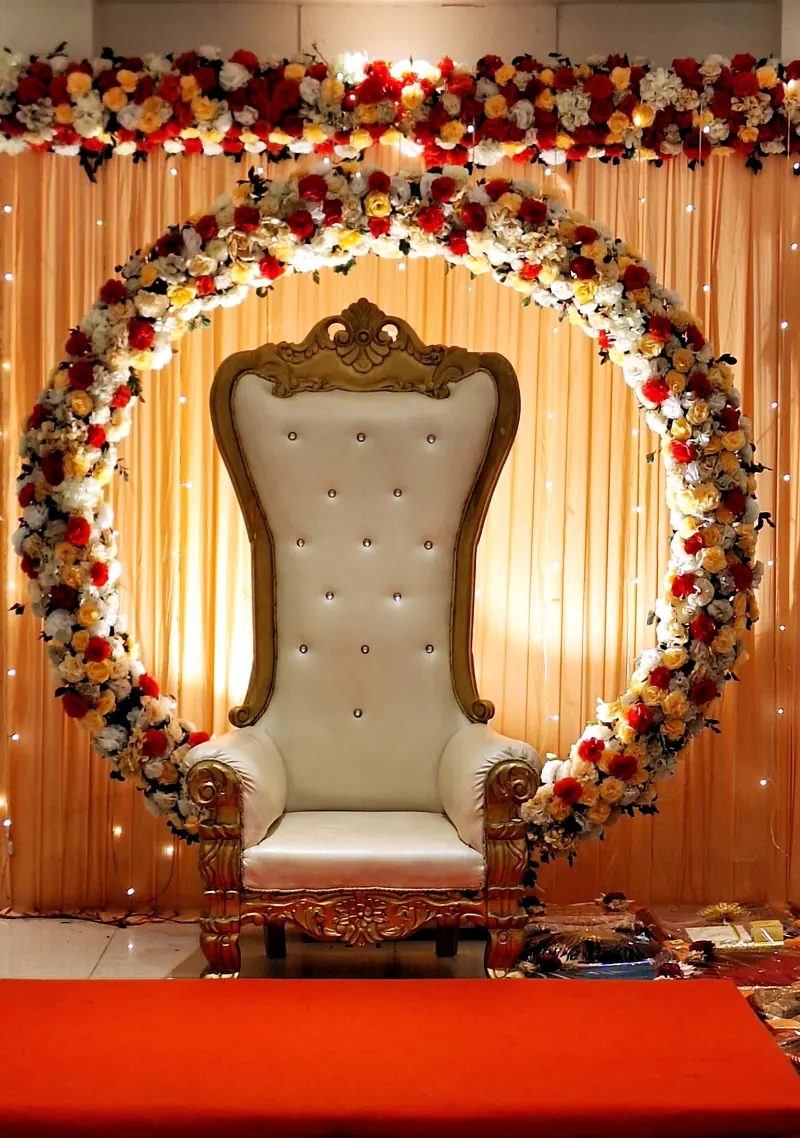
Needs: a reception stage, a dinner menu for the full guest list, good parking, and a hall comfortable enough that elders stay through dinner. See our reception stage ideas and the Bengali wedding menu guide.
Phool Sojja
The flower-decorated bed for the couple on the night of the reception. Usually at home, sometimes at a hotel, always with someone's cousin threatening to hide under it.
A practical way to use this list
- Mark each ritual by location. Home, venue or the other family's home. That alone tells you how many venues and vendors you need.
- Note what each one needs from the space. Daylight and open air for Gaye Holud. Ventilation for the yagna. A stage and dining for the reception.
- Agree on timings with the purohit early. Auspicious lagna times decide the whole day, including when guests eat.
- Combine where you can. Holding Gaye Holud on a lawn and the wedding in an AC hall at the same venue saves a lot of shifting of people, decor and food.
At Vicky Gardens in Golpark, families often do exactly that: the separate lawn for Gaye Holud, the AC banquet hall for the wedding or reception, and one team handling decor and food in both. If you want to walk through your own list with us, book a site visit.
Questions families ask us
What is the order of rituals in a Bengali wedding?
The usual order is Aiburobhaat, Dodhi Mongol, Gaye Holud, Bor Jatri and Bor Boron, Subho Drishti, Mala Bodol, Sampradan, Saat Paak, Sindoor Daan, Basor Ghor, Bashi Biye, Kanakanjali, Bou Boron, Kalratri, Bou Bhaat and Phool Sojja. Families vary the details, so confirm the sequence with your purohit.
What is the difference between Bou Bhaat and a reception?
Bou Bhaat is the ritual where the new bride serves rice to her in-laws for the first time, usually at the groom's home on the day after Kalratri. The reception that evening is the larger party for friends and relatives, and in Kolkata the two are often called by the same name.
How many days does a Bengali wedding take?
Most Bengali weddings run over three to four days: Aiburobhaat a day or more before, Gaye Holud and the wedding on the main day, Bashi Biye and Bou Boron the next day, and Bou Bhaat with the reception a day after that.
Planning a Bengali wedding in South Kolkata? Check your date at Vicky Gardens, Golpark.
Check your date